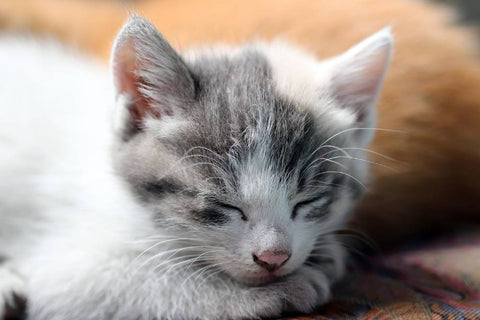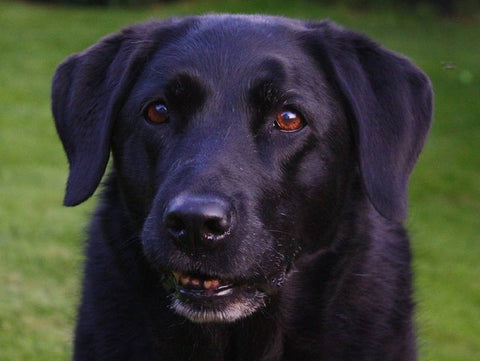
Anyone who has watched a dog nap has likely noticed twitching paws, soft whines, or muffled barks. Researchers now believe those dream-filled moments often center on their humans.
Dr. Deirdre Barrett, a clinical and evolutionary psychologist at Harvard Medical School, explained that dogs dream about what matters most in their lives. She told People that “since dogs are generally extremely attached to their human owners, it’s likely your dog is dreaming of your face, your smell and of pleasing or annoying you.”



Dogs experience REM sleep just like humans.
The Science of Canine Dreams
Like people, dogs move through stages of deep sleep followed by Rapid Eye Movement (REM) sleep, when dreams occur. During REM, the brain replays fragments of daily life. That’s why a dog’s nighttime visions may involve chasing a ball, exploring a park, or simply being near its owner, according to Pawfect Stays.
Animal studies support this. Researchers at MIT tracked rats navigating mazes, then monitored their brain activity during REM sleep. The same neural patterns reappeared, showing the animals were replaying real experiences. The American Kennel Club notes this suggests most mammals dream about daily life, making it likely for dogs as well.

REM sleep is the stage where vivid dreams occur.


Daily Life in Dreamland
Walks, belly rubs, and mealtime rituals are central to a dog’s world, and these experiences often filter into sleep. As BBC Science Focus reports, since dogs process life visually rather than logically, their dreams mix familiar scents and sights into creative scenarios.
Size also matters. Dog researcher Dr. Stanley Coren observed that small dogs dream more often but in shorter bursts, while larger breeds dream less frequently but for longer stretches. A Chihuahua may dream every ten minutes, while a Golden Retriever’s dream cycle may last over an hour.

Harvard research suggests dogs dream about their owners.
When Dreams Spill Into Motion
Twitching legs or wagging tails often appear when the brain’s pons, the mechanism that prevents muscle movement during REM, is less effective. Puppies and older dogs show this most clearly. Similar research in cats revealed hunting behaviors acted out during REM sleep, leading scientists to conclude dogs act out their own dreams when they paddle or whine in their sleep, according to AKC.


An Emotional Connection
As news spread that dogs likely dream of their owners, the response has been likewise heartwarming. Many social media users have shared emotional posts imagining their pets dreaming of them.
Dreams may even include nightmares, often replaying stressful events like bath time. Experts caution against waking dogs mid-dream, since startling them can cause confusion or aggression. Comfort, they say, is best given once the dog wakes naturally.

Dogs replay fragments of daily life in their dreams.
A Shared Bond
Dogs spend nearly half their day asleep, giving them plenty of time to dream. Whether it’s chasing a stick or snuggling close, owners likely play the starring role. For many, this knowledge only deepens the connection—every twitch or sigh could be a dream of love.